Understanding What Drives Auto Transport Pricing
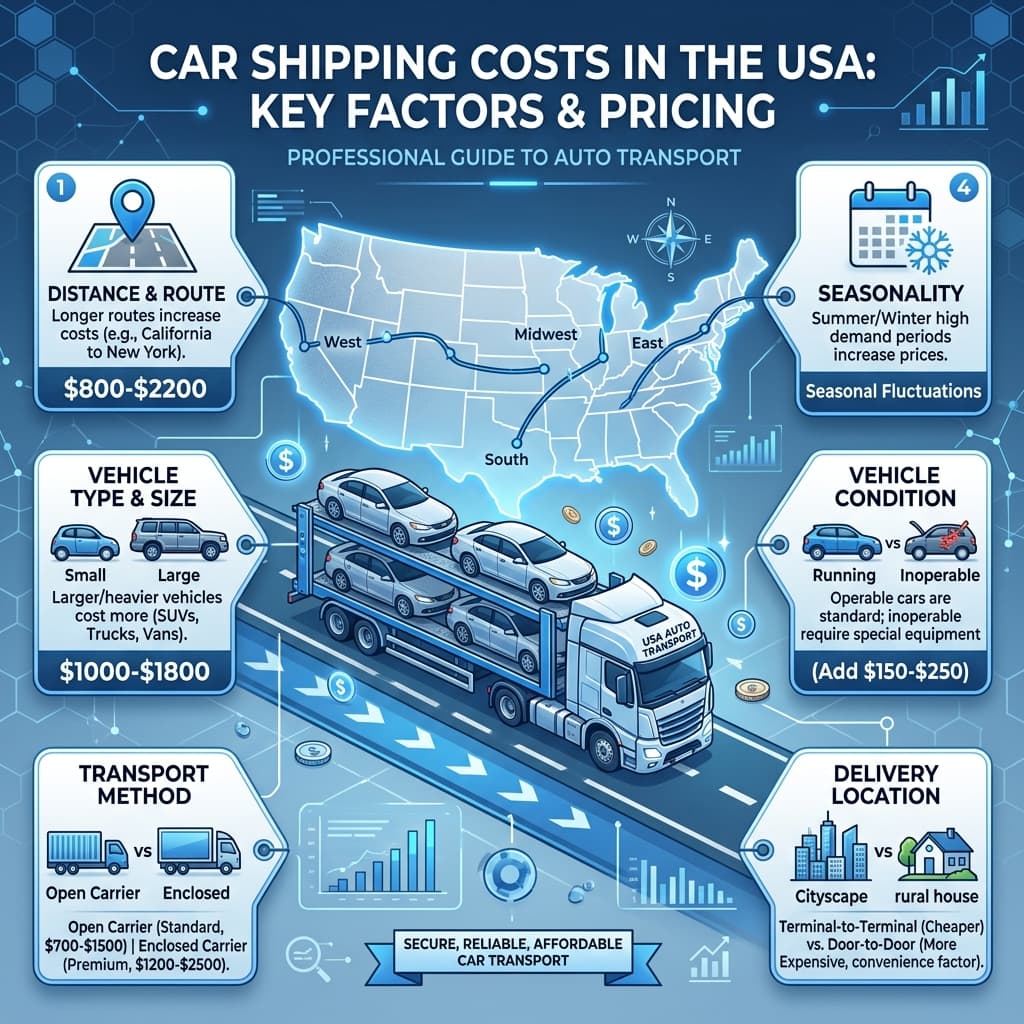
Car shipping prices are not arbitrary numbers pulled from a spreadsheet. Every quote is calculated based on real-world logistics: the distance your vehicle needs to travel, the type of carrier required, the size and weight of your vehicle, current fuel costs, seasonal demand on your specific route, and the accessibility of your pickup and delivery locations. Understanding these variables puts you in a stronger position to evaluate quotes, avoid overpaying, and recognize when a price is too good to be true.
The auto transport industry operates on supply and demand principles that shift throughout the year. A route that costs $900 in April might cost $1,200 in November — not because the company raised prices, but because carrier availability on that lane tightened due to seasonal migration demand. The articles in this section break down every pricing factor so you can make informed decisions about when to book, which service to choose, and how to get the best value for your specific shipment.
The Core Pricing Factors
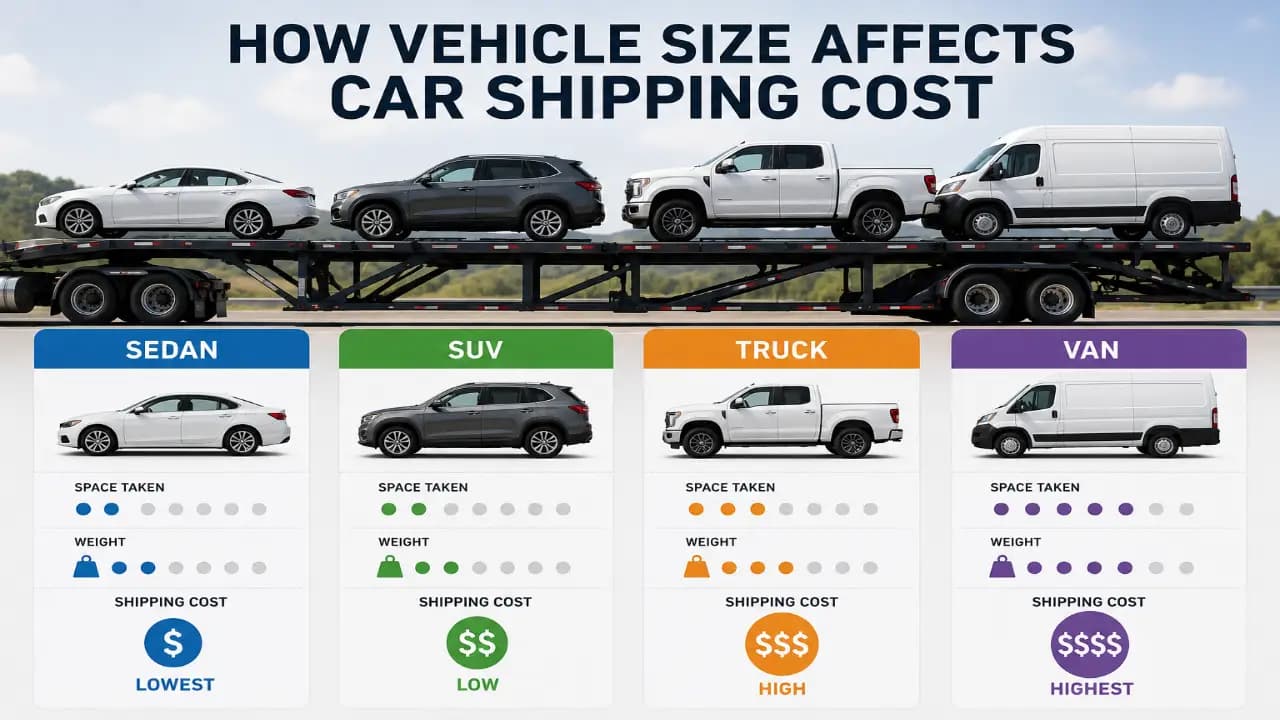
Distance is the foundation of every auto transport quote, but it's far from the only variable. Vehicle size matters because larger vehicles occupy more carrier space — an F-250 takes up significantly more room than a Honda Civic. Open transport costs less than enclosed because open carriers move more vehicles per trip. Rural pickup or delivery locations cost more than metro areas because carriers have to deviate from efficient interstate routes. And timing matters: booking two weeks ahead almost always costs less than a last-minute request.
Seasonal demand creates the most dramatic price swings. Snowbird routes between the Northeast and Florida surge 25-40% above baseline during October through January. Military PCS season from May through August tightens capacity on every lane touching major installations. Understanding these patterns lets you time your shipment strategically — or at least understand why your quote is higher than expected during peak windows.
Getting the Best Value on Your Shipment
The cheapest quote is rarely the best value. In auto transport, artificially low quotes almost always signal one of two things: the broker is planning to raise the price after collecting your deposit (the classic bait-and-switch), or they're dispatching to the lowest-quality carrier willing to accept below-market rates. Neither outcome serves your interests.
Real value comes from transparent, market-rate pricing combined with professional service: a locked quote that doesn't change after booking, a named dispatcher who answers your calls, carrier vetting that ensures your vehicle is handled by experienced professionals, and claims support if anything goes wrong. The articles below help you understand what fair pricing looks like on your specific route so you can identify both overcharges and suspicious lowball offers.