Why Comparison Actually Matters in This Industry
Auto transport is an industry where seemingly minor decisions can produce dramatically different outcomes. Choosing open transport over enclosed saves hundreds of dollars — and is the right call for most vehicles. Choosing door-to-door over terminal saves you two trips and the risk of extended terminal dwell time. Choosing a guaranteed price over an "estimated" one protects you from the industry's most common scam. These aren't trivial decisions, and they deserve honest, unvarnished comparisons.
This category is our collection of head-to-head analyses written by logistics professionals with no dog in the fight. We're not recommending our most profitable option. We're recommending the right option for your situation — and letting the comparison do the convincing.
The Foundational Comparison: Open vs. Enclosed Transport
This is the first question most shippers face, and it's the one where the industry does the most confusion-spreading. Open transport is portrayed as "risky" by enclosed transport upsellers; enclosed is portrayed as "unnecessary" by budget brokers. The truth is nuanced.
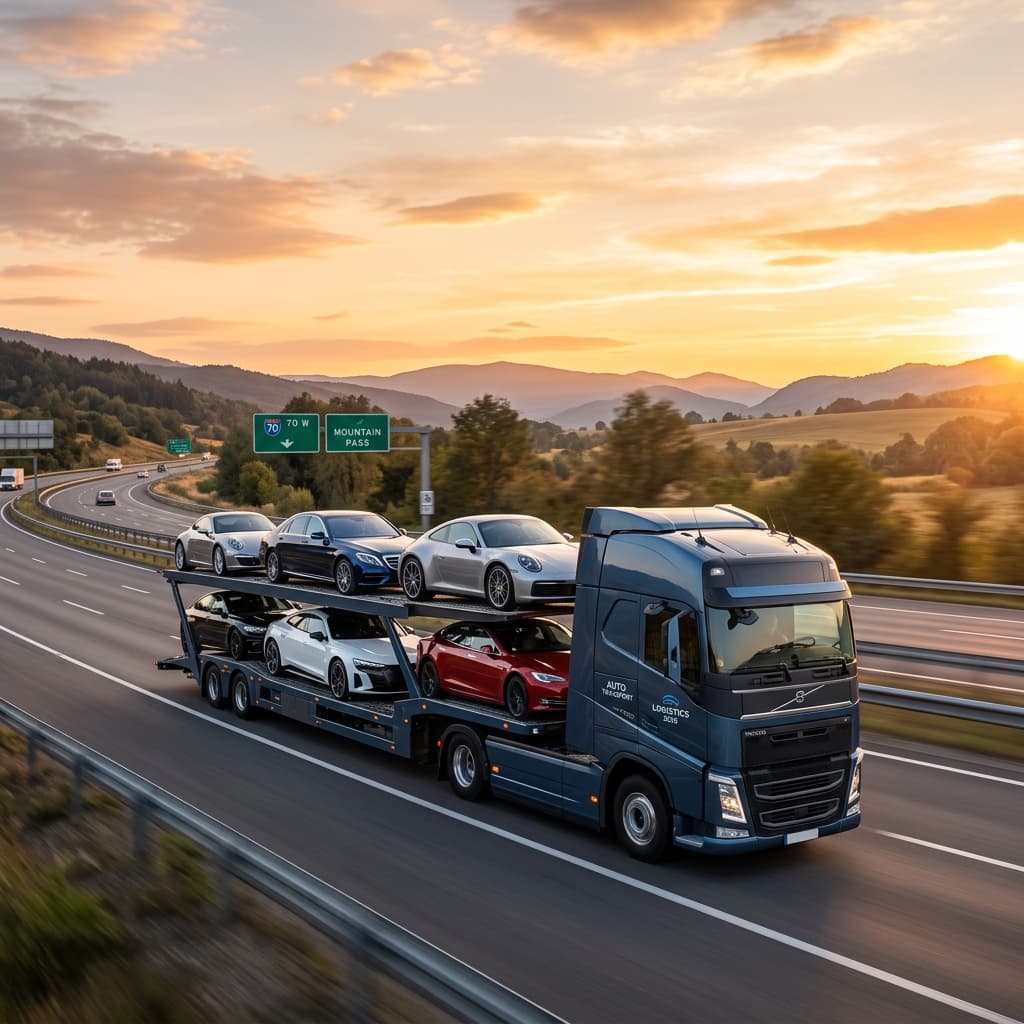
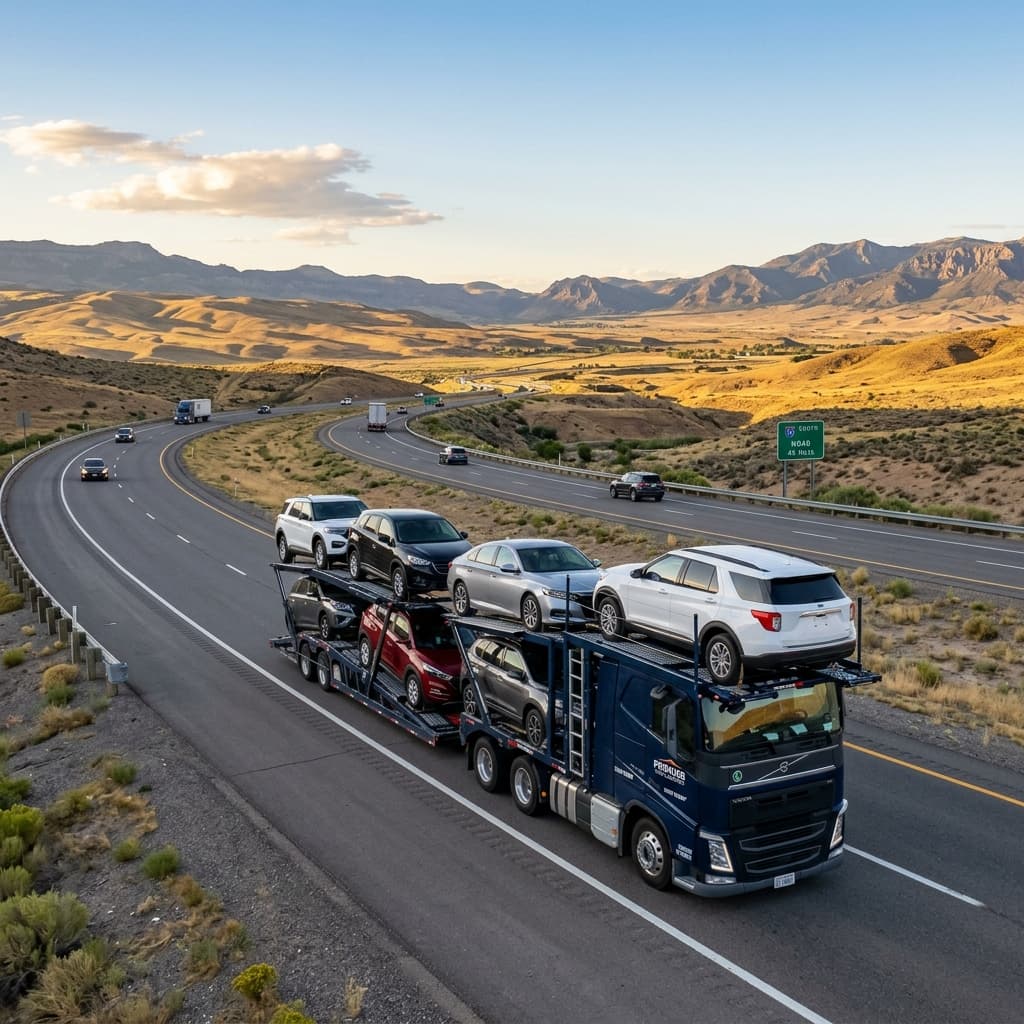
Open transport is the industry standard for a reason. It safely moves over 90% of all vehicles shipped in the United States every year. Your car is secured on a multi-level trailer with up to nine other vehicles, completely exposed to weather and road debris. The actual damage rate is well below one percent. For a typical commuter car, SUV, or pickup worth under $70,000, open is the smart, practical choice — paying 30-50% more for enclosed service on a 2022 Toyota RAV4 is simply poor value allocation.
Enclosed transport earns its premium on vehicles where exposure risk is genuinely unacceptable. A 1969 Charger with an original, unrestored body. A $200,000 McLaren. A fully wrapped exotic with a fresh paint job. A factory-fresh custom show car. These vehicles are not just expensive — they're often irreplaceable. The cost of a single stone chip or a weather-related paint blemish exceeds the enclosed shipping premium many times over. For these vehicles, enclosed is a sound insurance decision, not an upsell.
Door-to-Door vs. Terminal-to-Terminal: The Honest Reality
Terminal-to-terminal shipping is often marketed as the "budget" alternative to door-to-door service. The reality is more complicated. Yes, terminal service is sometimes cheaper — by $50 to $150 on major corridors. But that sticker difference doesn't account for what customers actually experience: transportation to and from the terminal on both ends, business-hours-only pickup windows that require taking time off work, vehicles that can sit in outdoor storage lots for 3-7 days while waiting for a load, and the increased chain-of-custody risk that comes from having more people handle your vehicle.
Door-to-door shipping eliminates all of those variables. The carrier comes to you. Your car goes directly onto the truck and arrives at your door. The chain of custody involves fewer people, fewer handoffs, and less time in outdoor storage. For the vast majority of individual shippers, the modest premium for door-to-door service is justified by the convenience and reduced risk profile.
Broker vs. Direct Carrier: Which Is Right for You?
When you search for auto transport online, most results are brokers — companies that market, coordinate logistics, and connect your vehicle with a network of independent motor carriers. Some customers discover this and feel deceived; they'd rather work directly with a "real" carrier. The reality is more nuanced than that instinct suggests.
Brokers provide genuine value: market access to thousands of carriers across the country, route-matching expertise, insurance verification, dispute mediation, and customer service infrastructure that individual carriers often can't match. A good broker makes pricing more competitive, not less, by creating competition among carriers for your load. A bad broker adds a pure markup while providing no logistical value — and those exist.
Direct carrier relationships work best when you have a recurring shipping need on a predictable route. A car dealership shipping 50 vehicles per month from manufacturer to lot benefits enormously from a direct carrier contract. For a one-time personal move, a well-vetted broker typically offers more value than calling carriers cold.