Understanding Your Auto Transport Options
The auto transport industry offers a surprisingly diverse range of service options, each designed for different vehicle types, customer needs, and budget profiles. Understanding the full menu of options before booking helps you make the right call for your specific situation rather than defaulting to whatever the first company you call happens to offer.
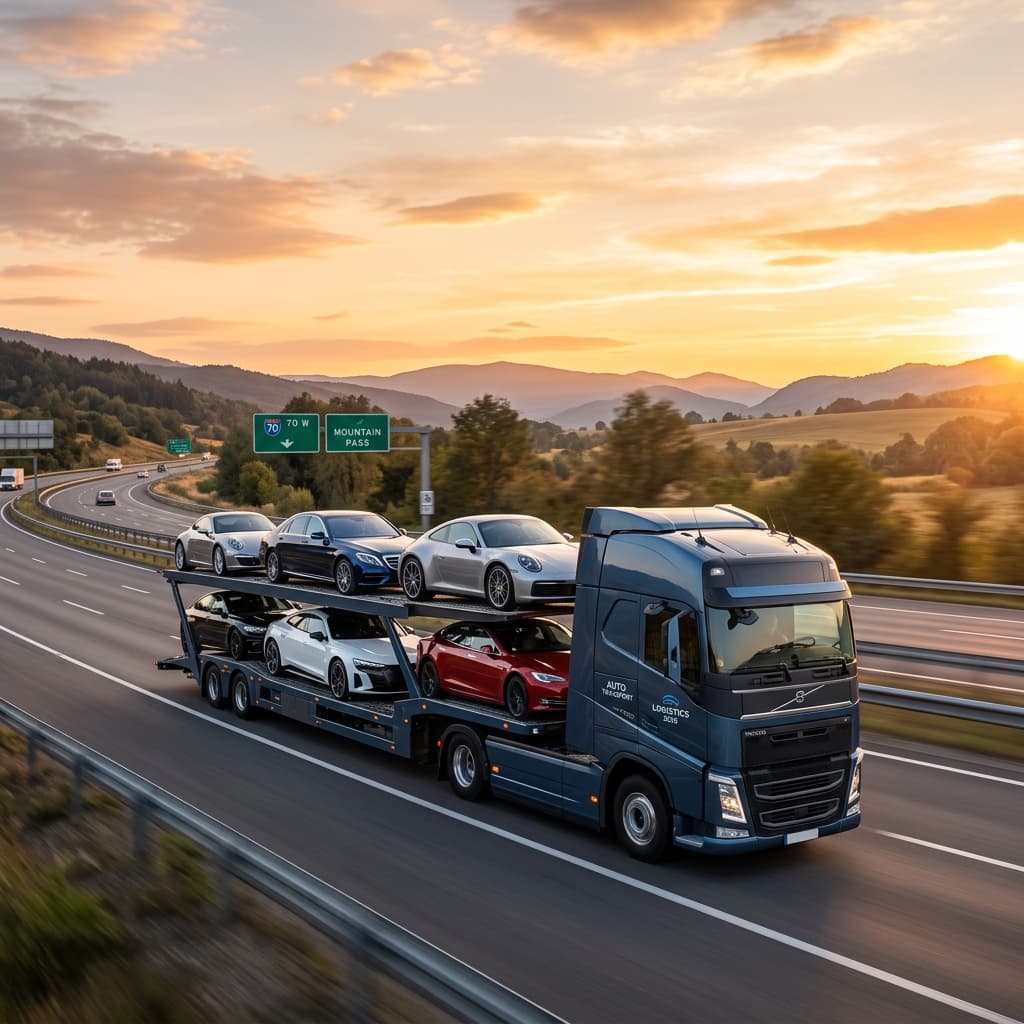
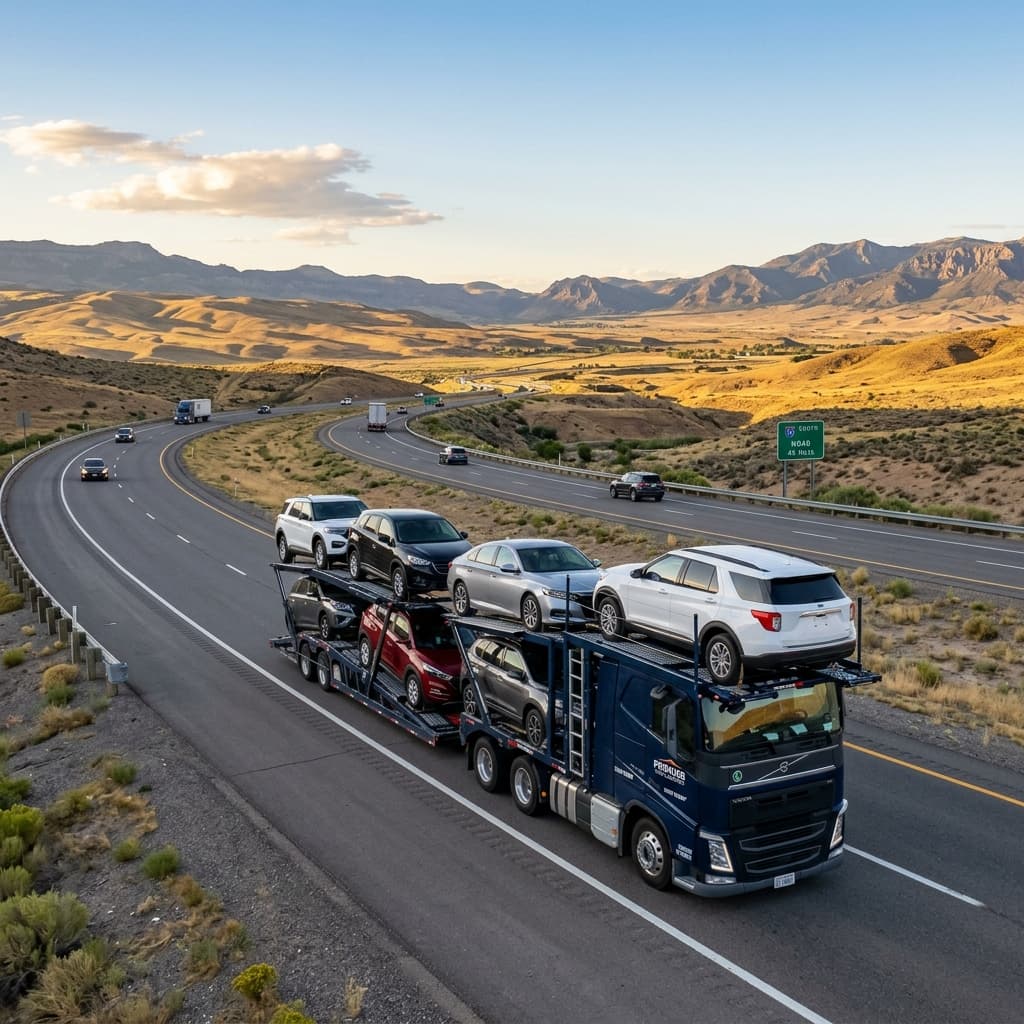
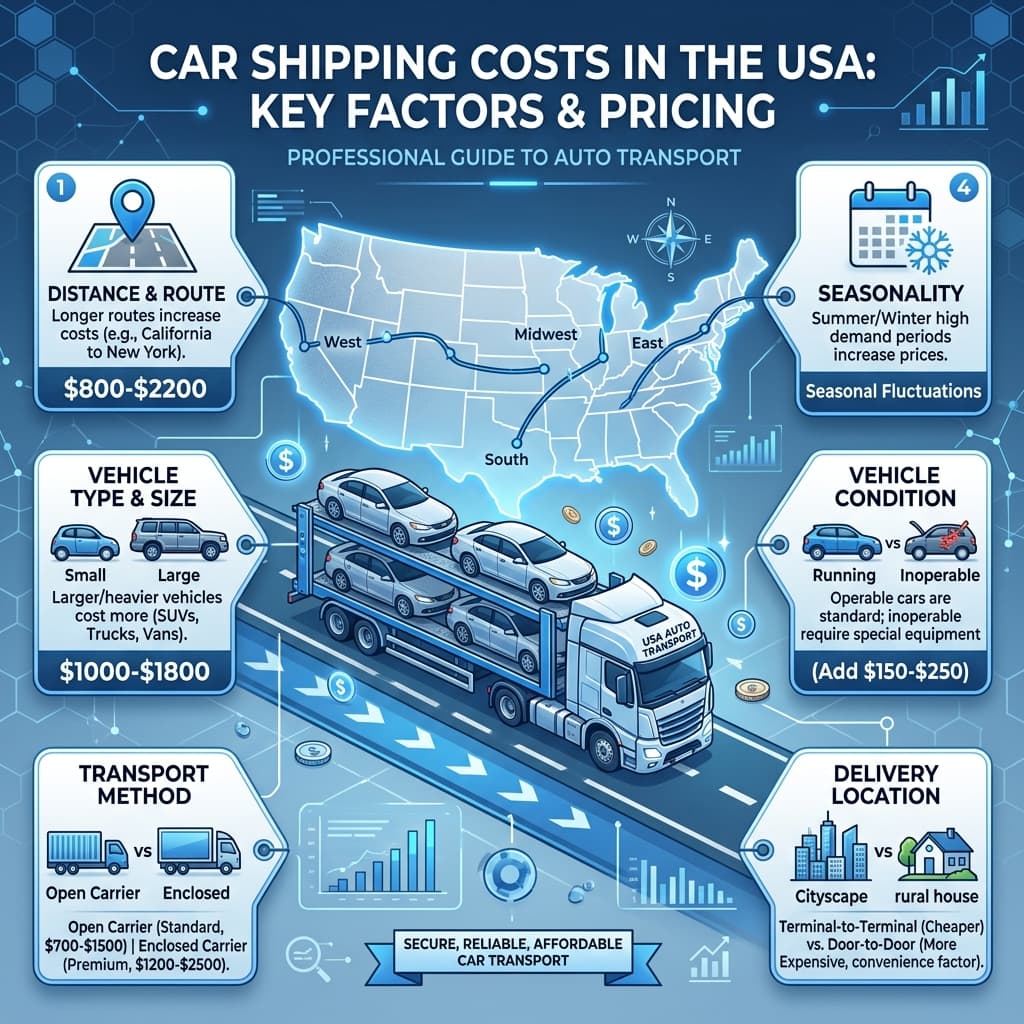
The primary service dimension is carrier type: open or enclosed. Open carriers — the multi-vehicle highway haulers you've seen on every major interstate — handle the vast majority of all vehicle shipments. Enclosed carriers provide weatherproof, sealed transport for vehicles where environmental protection is non-negotiable. This is the single most impactful choice you'll make, both for cost and for protection level.
Service Delivery Options
Beyond carrier type, delivery method is your second major choice. Door-to-door service brings the carrier directly to your specified pickup and delivery addresses. This is the most convenient option and the most popular choice for individual shippers. Terminal-to-terminal service requires you to drop your vehicle at a designated carrier facility and pick it up at another terminal near the destination city. Terminal service is sometimes cheaper — particularly for rural addresses far from major corridors — but requires additional transportation logistics on both ends and may involve extended terminal dwell time.
Expedited transport is available for customers with time-sensitive needs. It guarantees faster carrier assignment — often within 24 to 72 hours — at a premium above standard market rate. For most personal vehicle moves, standard booking timelines (14 to 21 days in advance) are sufficient. For urgent relocations, last-minute purchases, or dealer delivery requirements, expedited service is genuinely valuable despite its higher cost.
Specialty Services Worth Knowing
Non-running vehicle transport is a specialized service for cars that can't be driven under their own power. These require carriers with winch equipment capable of loading the vehicle without requiring it to self-propel onto the trailer. Non-running transport costs more than standard — typical premium of $150 to $350 — and requires disclosure at booking since not all carriers carry appropriate winch equipment.
Snowbird transport, military transport, dealer transport, and residential shipping each have service nuances that experienced brokers navigate routinely. Snowbird routes have specific peak season dynamics that experienced operators monitor closely. Military PCS shipping has documentation requirements and discount eligibility that varies by service branch and orders type. Dealer transport often involves multi-vehicle loads at contracted rates. Understanding which service context matches your situation ensures you're working with providers who specialize in exactly what you need.